
Ask a Luthier
Most instrument advice online is written by people who have never repaired one. Ours isn’t. Every answer here comes from the bench in Norwalk where we set up, adjust and repair the instruments our students play — a few thousand of them a year, across every instrument a school band or orchestra uses.
We see which instruments come back with the same fault every March, which problems parents assume are their child’s fault when they’re the instrument’s, and which “broken” instruments need a two-minute adjustment rather than a repair bill. Ask us anything — there is no question too basic.
Most asked
Which instrument is easiest to learn — and which is hardest?
It’s the question we’re asked more than any other, usually by a parent whose child has to choose in the next two weeks. Most answers online come from people selling one instrument. We rent all of them, so we have no reason to steer you — and we see which ones students actually stay with.
Browse by topic
Most questions land in one of these, whatever instrument your student plays.
Choosing & sizing
What size does my child need, when to move up a size, and which instrument suits them.
Quality & setup
How our instruments are made, what setup involves, and what separates one label from another.
Care & cleaning
Swabbing, oiling, rosin, humidity, and the two-minute routine that prevents most repairs.
Tuning
How to tune each instrument without damaging it, and which parts to leave alone.
Something’s wrong
Squeaking, stuck mouthpieces, fallen bridges, sticking valves. What is serious and what is not.
Renting & insurance
Rent or buy, what is covered if it breaks, size swaps, and what happens if your student quits.
Switching & upgrading
Violin to viola, alto to tenor, and moving up to a better instrument partway through the year.
Browse by instrument
Sizing, care, tuning, and what to do when something goes wrong — for each instrument we rent.
Orchestra


Band


What is a luthier?
A luthier is someone who builds and repairs stringed instruments — violins, violas, cellos, double basses, and historically lutes, which is where the word comes from. It’s a trade, learned over years: carving and graduating wood, fitting a soundpost, cutting a bridge to an individual instrument, rehairing a bow, closing a crack so it holds and doesn’t show.
The reason it matters for a rental is that a student instrument is only as good as its setup. Two violins off the same production line play completely differently depending on how the bridge is cut, how the soundpost is placed, and how the strings sit above the fingerboard. A beginner can’t tell the difference — they’ll simply assume they’re not very good at it. That’s the quiet reason children give up.
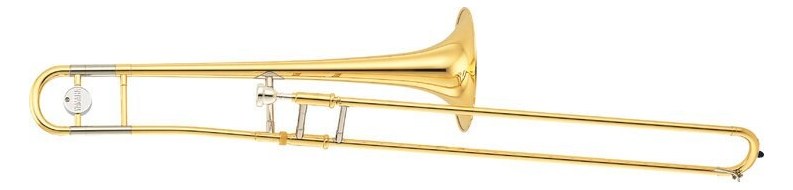
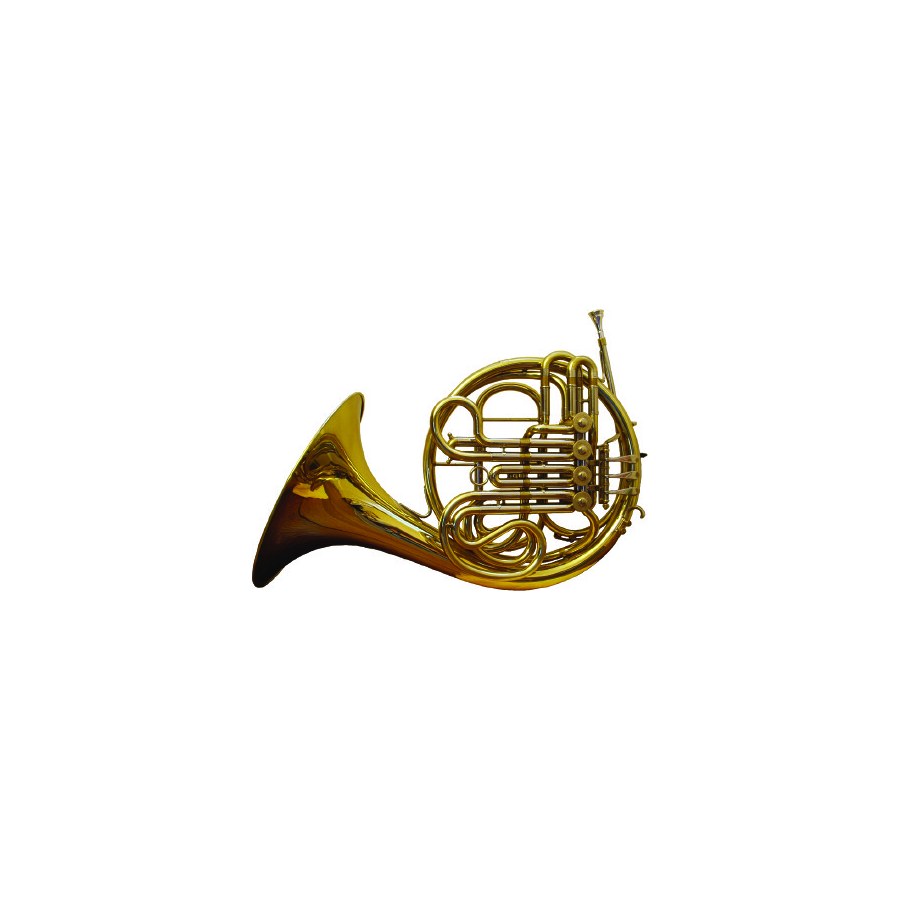
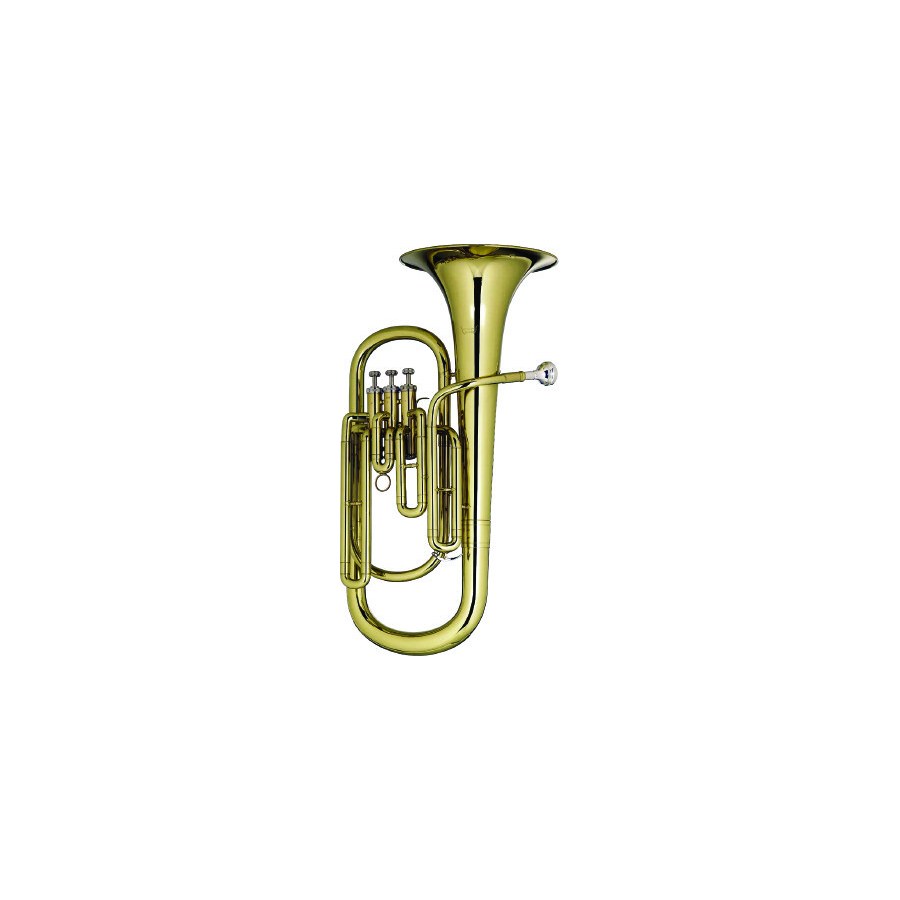
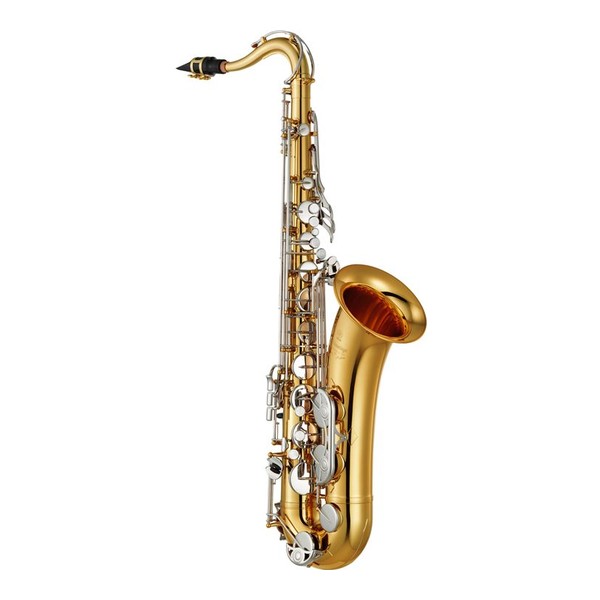
Band and brass instruments are looked after by technicians rather than luthiers, doing the equivalent work — seating pads, adjusting keywork, checking for leaks. We employ both, which is unusual for a rental company. Most send instruments out to a third party, or don’t inspect them closely at all between renters.
Ask us anything about your instrument
Every question on this page came from a parent, a student, or a teacher. Send us yours: selected questions are answered here by the member of our team who knows that instrument best, and we may follow up by email. If you need an answer today, call (203) 957-8300 and a musician will pick up.